You’re standing in your kitchen in Hamilton or Princeton, holding a greasy pizza box and a stack of junk mail. You want to do the right thing, but you freeze. Which bin does it go in? If you toss the wrong item in the blue bin, you might contaminate the whole load.
This confusion is common across Mercer County. While most of us know that newspapers are safe, other items like glossy flyers or shredded documents aren’t as clear-cut. Getting recycling right doesn't just help the environment; it keeps our local waste management systems running smoothly and keeps costs down for everyone.
Understanding the rules for paper recycling in New Jersey is easier than decoding a tax form, but it does require paying attention to a few details.
Not all paper is created equal when it comes to the recycling bin. In New Jersey, standard office paper, magazines, and newspapers are almost always accepted. However, paper that has been coated with plastic or wax or contaminated by food (like that greasy pizza box) usually belongs in the trash.
When you put non-recyclable items in the bin, it slows down the sorting facility in Trenton. It can even damage the machinery, leading to expensive repairs and delays. A good rule of thumb: if you can tear it easily and it’s clean, it’s likely recyclable. If it’s lined with foil or covered in cheese, keep it out.
Most of the paper waste generated in homes and offices along the Delaware River is perfectly safe to recycle. Focusing on these common items will ensure you're contributing to successful paper recycling in New Jersey.
Office and Printer Paper
This is the gold standard. Whether it’s old reports, letters, or copy machine mistakes, high-grade white paper is valuable.
Newspapers and Magazines
Even with glossy pages, most magazines are fine. The inks used today are generally soy-based and don't interfere with the pulping process.
Cardboard and Paperboard
This includes shipping boxes (flatten them first!) and cereal boxes. Brown paper bags also fall into this category.
Junk Mail and Envelopes
Window envelopes (the ones with the little plastic film) are generally accepted in modern facilities because the plastic is filtered out during pulping.
Contamination is the biggest enemy of paper recycling in New Jersey. Including these items can ruin a batch of good paper, sending tons of otherwise recyclable material to the landfill instead.
Soiled Paper
Paper towels, napkins, and tissues are not recyclable. Once paper fibers are wet or soiled with food grease, they lose the strength needed to be turned into new products.
Coated or Waxed Paper
Think of the cup you get your morning coffee in or a frozen food box. If you scrape it with your fingernail and see a waxy residue, it goes in the trash.
Shredded Paper
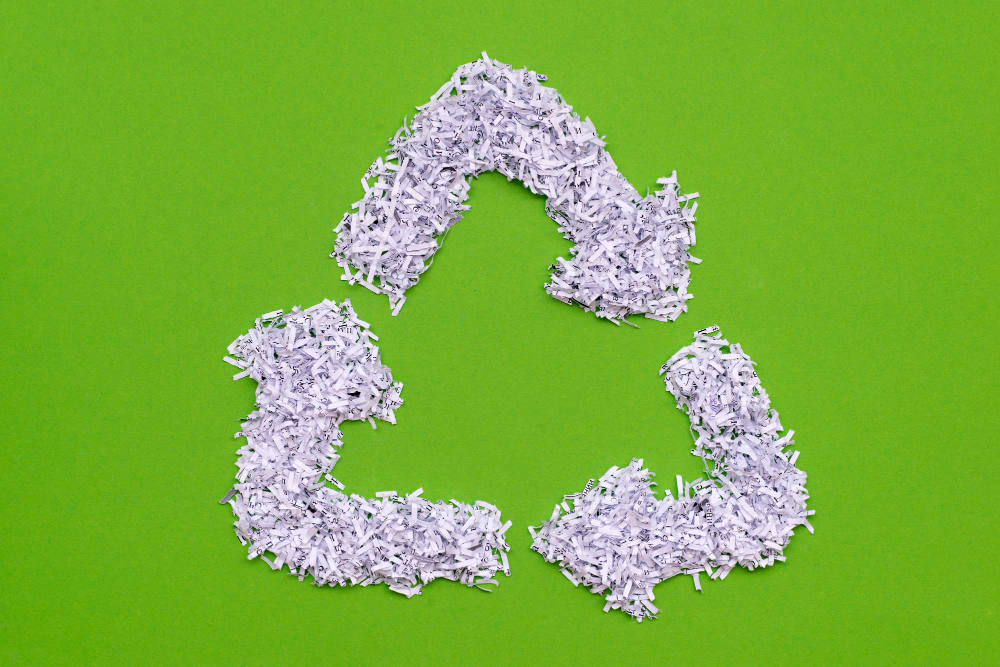
This surprises many people. Shredded paper is too small to be sorted properly by large machines and often ends up as confetti on the facility floor. Unless your local program specifically asks for it in a clear bag, keep it out of the bin.
Cardboard is bulky, and if you don't prep it right, it wastes space in the truck and at the facility. For effective cardboard recycling, you need to break it down.
Flatten Every Box
An unflattened box is full of air. Flattening your boxes allows collection trucks to hold 3-4 times more material, which makes routes more efficient and reduces fuel emissions.
Remove Packing Materials
Styrofoam peanuts, bubble wrap, and plastic air pillows must be removed. These are contaminants that can jam sorting gears. Tape is usually okay to leave on, as the recycling process filters it out, but removing excessive tape helps.
Keep It Dry
Wet cardboard is a problem. If it rains on collection day in Somerset County, try to keep your cardboard covered. Wet fibers are harder to process and are worth significantly less.
Recycling isn't just a "feel-good" activity; it has hard economic and environmental numbers attached to it. Every ton of paper recycled saves roughly 17 trees and 7,000 gallons of water.
Local Economic Impact
For businesses in Trenton and surrounding areas, separating recyclables can lead to huge savings. Waste disposal is expensive. By diverting paper and cardboard waste, businesses can often reduce their trash bills by 20% to 40%. It turns a disposal cost into a potential revenue stream if you generate enough volume to bale it.
Preserving Our Landfills
New Jersey is the most densely populated state. We don't have endless space for landfills. Paper recycling in New Jersey extends the lifespan of our existing landfills, delaying the need for new, expensive disposal sites that nobody wants in their backyard.
If your office or facility is drowning in paper and cardboard, you don't have to handle it alone. Managing waste streams effectively takes time and the right equipment, like balers or roll-off containers.
All County Recycling has been serving Mercer, Somerset, Burlington, Middlesex, and Monmouth counties with customized recycling solutions. We can help you assess your waste stream and set up a program that saves you money.
Give us a call at (609) 393-6445 to get started today.