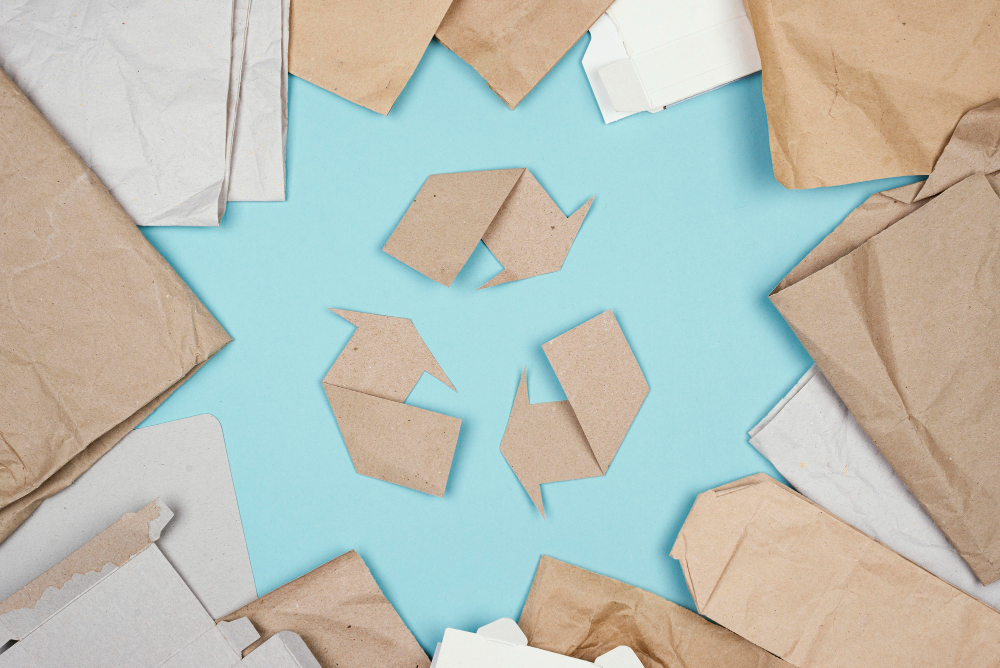
We have all been there. You order a few things online, maybe a new appliance or just the weekly essentials, and suddenly your garage or entryway is taken over by a mountain of brown boxes. While online shopping is convenient, getting rid of the packaging can be a headache for residents across Mercer County and beyond.
Fortunately, cardboard recycling New Jersey residents can rely on is more accessible than you might think. Whether you're doing a massive spring-cleaning in Trenton or just managing the weekly influx of packages in Burlington County, understanding how to properly dispose of your cardboard makes a huge difference. At All County Recycling, we help you manage that waste stream efficiently, keeping our local communities clean and green.
If you're looking for general information on how to manage your household waste, you can learn more about recycling services that cover everything from standard paper to plastics.
Did you know that recycling just one ton of cardboard saves 9 cubic yards of landfill space?
That might sound like a statistic for big businesses, but it matters to homeowners too. New Jersey is the most densely populated state in the country. We simply do not have the room to bury millions of tons of reusable material. When you toss a box in the trash, it sits in a landfill for years, releasing methane as it breaks down.
When you recycle that same box, it gets pulped and turned into new paper products, often within weeks. This process uses 25% less energy than making cardboard from raw lumber. By taking the time to recycle, you're directly contributing to the health of the Delaware River ecosystem and keeping our local parks, like Mercer County Park, free of unnecessary waste.
The most important step is flattening your boxes completely.
It sounds simple, but throwing a fully formed box into a bin takes up a massive amount of space—mostly air. This fills up collection trucks faster, meaning more trips, more fuel burned, and higher costs for everyone.
Here is a quick checklist for prepping your cardboard recycling New Jersey pickups:
Usually, the answer is no, specifically if the box is stained with grease or cheese.
This is a common point of confusion. Cardboard recycling relies on water to turn the fiber into pulp. Oil and water do not mix. When a greasy pizza box gets into the mix, the oil separates and creates "stickies" that ruin the new paper batch.
If the top half of the pizza box is clean, you can tear it off and recycle that part. But the greasy bottom half belongs in the trash or a compost bin if you have one.
While recycling requires effort, sending waste to a landfill is surprisingly expensive.
In New Jersey, the cost to dump waste at a landfill (known as a "tipping fee") is among the highest in the nation. According to recent industry reports, average landfill tipping fees in the Northeast can exceed $100 per ton, compared to a national average that is much lower.
For residents and local taxpayers, this adds up. By diverting heavy cardboard out of the waste stream, we collectively lower the weight of the trash being tipped, which helps keep municipal costs manageable. Recycling is not just an environmental choice; it's an economic one.
If you have just moved into a new home in Somerset County or finished a major renovation, your curbside bin probably won't cut it.
You shouldn't have to let boxes pile up in your driveway for weeks. For larger volumes, you need a dedicated solution. Cardboard recycling services are designed to handle bulk material that standard residential pickup cannot handle.
Drop-off centers and dedicated recycling facilities can handle high volumes of material. This is especially helpful after the holidays or a move, where you might find yourself with 50 or 60 pounds of cardboard that simply won't fit in the blue bin.
Generally, you do not need to stress about removing every single piece of plastic tape or shipping label.
Modern recycling facilities in the Eastern Pennsylvania and New Jersey area use "hydrapulpers" that act like giant blenders. These machines churn the cardboard with water to create pulp. During this process, heavy contaminants like staples fall to the bottom, and light contaminants like plastic tape and labels float to the top and are skimmed off.
However, if you have a box that is heavily wrapped in plastic film (like shrink wrap), you should try to remove as much of that as possible before recycling.
Recycling creates jobs right here in our backyard.
From the drivers collecting the material in Monmouth County to the workers sorting it at the facility in Trenton, the recycling industry supports local families. It is a domestic manufacturing loop. The box you recycle today could return to your doorstep as a new package next month.
When we treat waste as a resource rather than trash, we support a circular economy that benefits New Jersey businesses and residents alike.
Don't let a garage full of boxes overwhelm you. Whether you're dealing with the aftermath of a move or just want to get better at managing your household waste, proper cardboard recycling New Jersey residents trust is the solution.
We are here to help you keep your property clean and your environmental footprint small. If you have questions about what materials we accept or need help with a large volume of recyclables, reach out to us.
Contact All County Recycling today at (609) 393-6445 to get started.