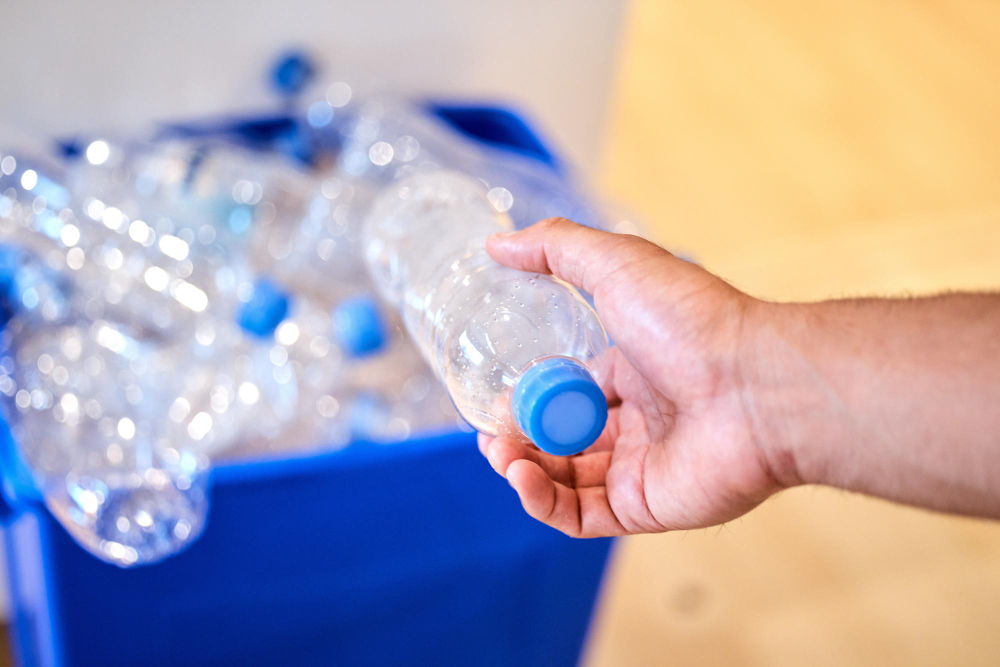
We’ve all been there—standing over the blue bin, holding a plastic container, and wondering, "Does this go in the trash or the recycling?" It’s a common dilemma for residents across New Jersey, from Trenton to the Jersey Shore. You want to do the right thing for the environment, but the rules can feel confusing.
The truth is, plastic recycling is crucial for keeping our Garden State green. By understanding what goes where, you help reduce landfill waste, conserve energy, and keep our neighborhoods clean. But with different codes on every bottle and tub, knowing exactly what to toss in the bin can be tricky.
This guide breaks down everything you need to know about plastic recycling in New Jersey, so you can recycle with confidence and avoid "wish-cycling" (hoping something is recyclable when it isn't).
Have you ever noticed the little triangle with a number inside it on the bottom of your plastic items? That is the Resin Identification Code, ranging from 1 to 7. These numbers tell you what kind of plastic the item is made from, which is the first step in figuring out if your local curbside program accepts it.
Here is a quick breakdown of what those numbers mean for your bin:
In New Jersey, plastics #1 and #2 are your safest bets for the curb. However, guidelines can change depending on where you live, so keeping an eye on local rules matters.
Curbside recycling programs in New Jersey are managed at the municipal or county level, meaning what is acceptable in Mercer County might differ slightly from Burlington County. However, some general standards apply to most residents.
Most New Jersey towns accept:
Why does the shape matter? Facilities use automated sorters that identify containers by their physical properties. Flat plastics or odd shapes can get misidentified as paper or cardboard. Speaking of paper products, if your business generates a lot of waste, you might need a dedicated solution. You can learn more about commercial recycling services here.
It is estimated that recycling just one ton of plastic can save about 5,774 kWh of energy. That’s enough energy to charge a Tesla battery more than 50 times! This shows why taking a few extra seconds to sort your recycling makes a real difference.
Just because something can't go in your blue bin doesn't mean it has to go in the trash. Drop-off centers fill the gap for items like plastic bags and Styrofoam.
Many grocery stores, such as ShopRite or Wegmans, have collection bins specifically for plastic bags and film packaging (Code #4). Since these flimsy plastics get tangled in the gears of big recycling trucks and processing plants, taking them to a store drop-off ensures they get processed correctly.
For other specific plastics, your county recycling center is a great resource. For example, residents near the Hamilton Township Ecological Facility or the reclamation center in Tinton Falls often have access to designated drop-off days for materials that standard trucks don't collect.
Proper preparation stops your recyclables from becoming contaminated trash. If a batch of plastic is too dirty, the whole load might get rejected and sent to a landfill.
Follow these three simple steps:
Also, don't bag your recyclables. Toss them loose into the bin. Plastic garbage bags are a major headache for sorting facilities because workers have to rip them open by hand, which slows down the line and creates safety hazards.
We all make mistakes, but "wish-cycling" causes big problems. This happens when we toss something in the bin, hoping it gets recycled, even if we aren't sure.
Here are common offenders to keep out of your bin:
Avoiding these items keeps the system running smoothly and keeps costs down for your community.
New Jersey continues to be a leader in environmental initiatives. Plastic recycling in New Jersey is changing with new laws designed to reduce single-use plastics. You have likely already noticed the ban on plastic grocery bags, which has significantly reduced the amount of plastic littering our parks and beaches, from Liberty State Park to the Cape May coastline.
Technology is also catching up. New optical sorters and chemical recycling methods are being developed to handle plastics that were previously considered trash. To stay informed, check your municipal website or download apps like "Recycle Coach," which many NJ counties use to keep residents updated on pickup schedules and changes in accepted materials.
Recycling plastics in New Jersey doesn't have to be a guessing game. By sticking to #1 and #2 plastics for the curb, rinsing your containers, and using drop-off centers for bags, you're doing your part to protect our local environment. Small changes in your daily routine add up to massive results for our state.
If you're a business owner or property manager in Mercer, Somerset, Burlington, Middlesex, or Monmouth County and need help managing your recycling stream, we are here to help.
Contact All County Recycling today at (609) 393-6445. We’ll help you set up a program that saves you money and keeps New Jersey clean.